
Genuine versus fasle affection: what’s real and what isn’t?
“He only gives me a hug goodnight because I complained about how little we touch. But it isn’t real. He’s only doing it because it’s on his list. It doesn’t feel like genuine affection, and I’d rather not have it,” said 36-year-old Marion describing her husband Annan’s behavior towards her.
Genuine versus false affection: sensing the difference in intent
When Annan played with their 6-year-old son Spike, he beamed. His eyes shone with joy as he caught the boy in his arms and gave him a bear hug. Spike’s squeals of delight and laughter responded to Annan’s genuine affectionate embraces, caresses, and nudges when they were playing with Lego. It felt so natural and spontaneous, so warm, safe, and loving to watch – bringing tears of envy into Marion’s eyes. She looked away and got busy tidying up Spike’s room.
Spike allowed his mother to hug him hard as he left for school, but he didn’t respond in kind. It wasn’t inviting or pure like his dad’s hugs. It felt as if he had to tolerate it so as to be a dutiful son. But the tension in his body alerted Marion that Spike was not responding. It hurt her deeply. Spike experienced her affection as false because he sensed that she was doing it for herself – wanting something from him so that she felt good. It wasn’t for him, and it wasn’t an act of mutual affection as they separated at the beginning of a school day.

Genuine versus false affection: early experience in neural wiring determines how affection is received
Spike was tuned into the difference between the genuine affection he got and gave to his father when they played; and the stiff false affection that his mother foisted on him – the same experience Marion had when she received affection from Annand.
Perhaps Marion is wired to receive affection as false because she believes she is basically unlovable. Annand’s affectionate gestures must therefore be calculated and performative, and Spike’s attempts to sit on her lap or cuddle up must mean he wants her for something – an act of selfishness.
Marion had a hard time believing that anyone could truly desire to be physically close for comfort, connection or to show love. When she needed to feel important, special, wanted and comforted she had to take it by imposing her affectionate hugs on Spike or Annand, hold their hands in public and do the same with kissing hello and goodbye. She was wired to believe that affection was false with self-centered motives, and she gave that same message out to her loved ones.

Genuine versus false affection: a currency of transaction in relationships
Marion grew up with busy self-absorbed parents who expected her to be an obedient child, do well at school and reward them by getting a well-paid job with good social status. They saw her as a tool for their use, and gave her just enough attention to enable her to reach their goals. Her only chance of getting a hug or being held was if she anticipated her parents’ wishes and did chores before they asked, as well as showing obeisance. In other words by buying into their entitlement for being overlords, and her duty to be a slave could she earn a hug, attention, a kiss, a smile, or a sweet word.
Her experience of chronic stress sculpted a maladaptive trajectory towards basic mistrust, insecure attachment, and loneliness in a dangerous world. The insecurity that adds to stress overload interfering with the ability to manage emotional and physical pain. These domino effects were pivotal in wiring Marion’s brain for not trusting nurturing overtures.
In keeping with the mode of transactional interactions in her family of origin, she replicated the same features in her marriage and with her son. But it backfired. She didn’t get the anticipated rewards when she kept the house spotless, made meals, and kept the family running like clockwork as she would have done had she performed them as a child for her parents.
She was left with FORCE – demanding hugs, physical proximity, kisses goodnight etc. She wanted Annand and Spike to do for her through forced affection what she did for her parents when she was little.
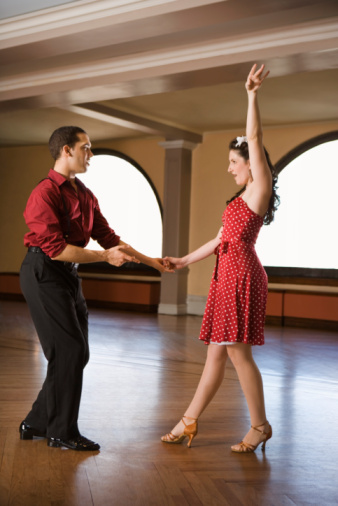
Genuine versus false affection: performative affection leads to performative responses
The tragedy of Marion never having had the experience of getting genuine affection, trusting it, and using it to bloom, wreaked havoc in her intimate interactions with her significant others. They ended up shunning her, cringing at her touch, and actively preferring each other rather than her.
Unfortunately it reinforced her view that she is unlovable.
Rage took over because she is such a perfect wife and mother.
She upped the ante and escalated her demands, excoriating Annand, and Spike for being ungrateful, disrespectful, and unworthy of her goodness.
Then she withdrew and played the victim, waiting for Annand and Spike to come toward her with affection to bring her back into their world.
Genuine versus false affection: the first loop of distrust
At the point where Marion plays the victim, her traumatic wiring fires up, receiving their affectionate attempts to engage as insincere and selfish – just wanting her to be their slave again – not really wanting her as a person that they love.
She unleashed her rage by throwing off their attempts at comfort and connection, experiencing their affection as a trojan horse, a pretense that would ultimately seduce and betray her.

Genuine versus false affection: the second loop of distrust
Annand and Spike retreated into their own intimate closeness, comforting each other as they protected themselves from Marion’s unfathomable rage. They were baffled with her response. She complained about never getting love and affection, and yet when they gave it spontaneously, it was spurned as if it were toxic.
Genuine versus false affection: neural wiring that “refuses love”
Marion is what is known as one who “refuses love,” because her earliest life was deficient and negligent, setting her down the wrong neurobiological path of not being able to accept, and metabolize love and affection – as reported in a 2025 article in Neuropsychoanalysis, entitled: Two diverging paths in psychological and neurobiological organization: using or refusing love.
Genuine versus false affection: what Marion doesn’t understand about the difference between the two.
Adam Phillips a renowned author and psychoanalyst suggests that genuine affection is basically a form of accommodating between two people rather than having to fit in.
Genuine affection
• Is a lullaby rather than a leash
• a form of hospitality – it invites the other person in without charging “rent.”
• It feels like a base camp you can leave and return to at will
• It’s more about experiencing connection than ‘doing love.’
• It’s more a resource than a requirement
• It has no calculated or ulterior motive, no definite outcome in mind
• It has no expectation of validation, gratitude, or recognition, rather than a demand for public affirmation and indebtedness.
• False affection is
• a transaction disguised as it gift: it is a gesture or a point to prove.
• a blatant bypassing of boundaries through a sense of entitlement
• an effort to fuel the pushy false affection, depleting and or shrinking the one being forced to receive it.
• an open act of possession and display of subtle power
• is a sign that you have been caught and need to be subservient rather than exert your autonomy

Genuine versus false affection: reshaping the neural wiring to accept and metabolize affection
At the moment both Marion and Annand are unhappy. Spike has a good connection with his dad but misses one from his mom. She misses out on one with her son. If she doesn’t want to pass on the negative aspects of her early upbringing she has some options that will firstly help her tolerate nurturing and secondly distinguish between genuine and false love. Then she will be able to offer it to her son and receive it in return, not to mention have a more secure marital relationship. Stress levels will come down with reduced hypervigilance. She will be more open and receptive to emotional care that offers security. Affection will be more spontaneous and enjoyable.
The most important way she can exercise her options is to go into individual therapy. Marion probably has a dormant spark in her cells that can be brought to life if she can feel safe enough to make a therapeutic relationship and allow herself to go through a process of being vulnerable. In this space she can go back and forth being vulnerable/open, to untrusting/closed. The stability and reliability of the therapy will prepare the groundwork for desire, lovability, and exchange of affection – that all important accommodation.
© Jeanette Raymond, Ph.D. 2026
You may also like:
Are you dying for affection, but cringe when it comes?
Stonewalling – an Intergenerational Power Tool in Insecure Relationships
